“Every civilized Dutchman who has studied modern history, even if only in general terms, knows the brave Jan Sobieski.” These words come from a book review from 1832, discussing the recent publication of the letters of Jan III Sobieski (1629-1696), in Dutch translation. The review illustrates how famous the former Polish king was in the Northern Netherlands, even more than a century after his death.
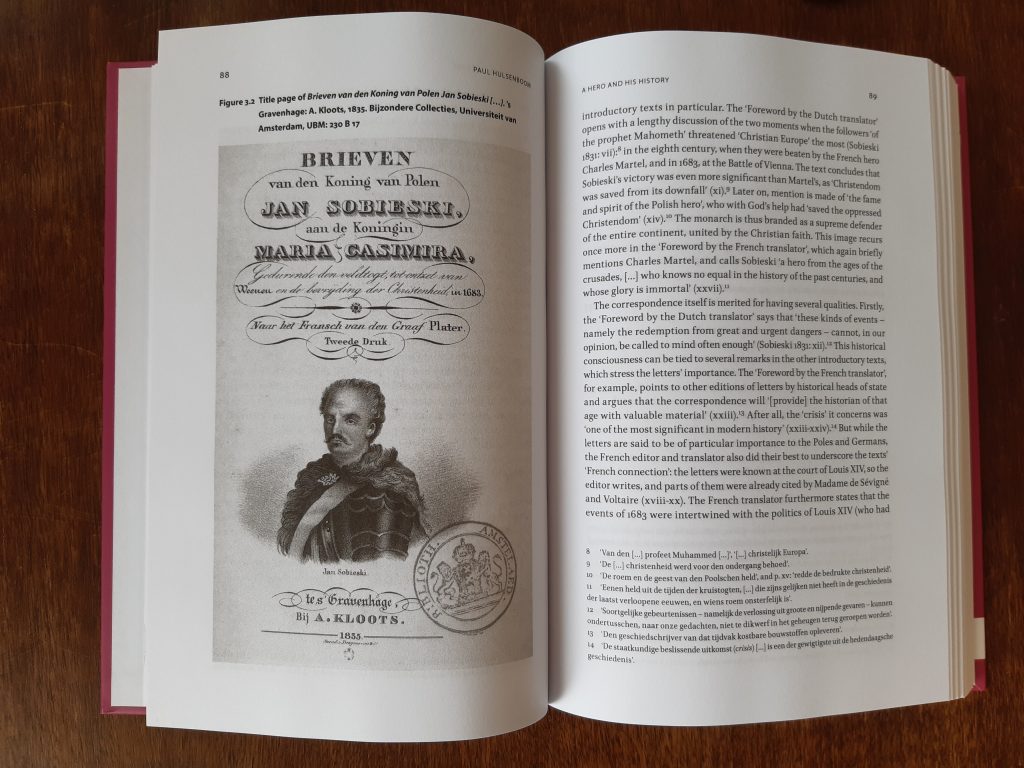
I have previously written about Sobieski’s Dutch reception in the late seventeenth century, prior to his acclaimed victory at the Battle of Vienna, in 1683. In a new publication, entitled ‘A Hero and His History. The Branding of Jan III Sobieski and His Letters in the Northern Netherlands during the Early Nineteenth Century’, I explore a related topic, venturing out of the early modern period. In the late 1820s and early 1830s, Europe saw the appearance of several editions of Sobieski’s correspondence. Three Dutch editions were published in The Hague. My publiation analyses the ways in which Sobieski and his letters were branded in these Dutch editions, particularly in the books’ extensive front matter. It argues that, while the Dutch branding was directly inspired by earlier French and Polish versions, the motives behind these different editions varied greatly, depending on their contexts. Of key importance were events related to Polish patriotism, such as the November Uprising. A number of reviews furthermore make clear how the brands in the Dutch editions were received.
My research has resulted in a book chapter, which has now appeared in H. van den Braber, J. Dera, J. Joosten and M. Steenmeijer (eds.), Branding Books Across the Ages. Strategies and Key Concepts in Literary Branding (Amsterdam: Amsterdam University Press 2021). You can find the Open Access publication on the publisher’s website.

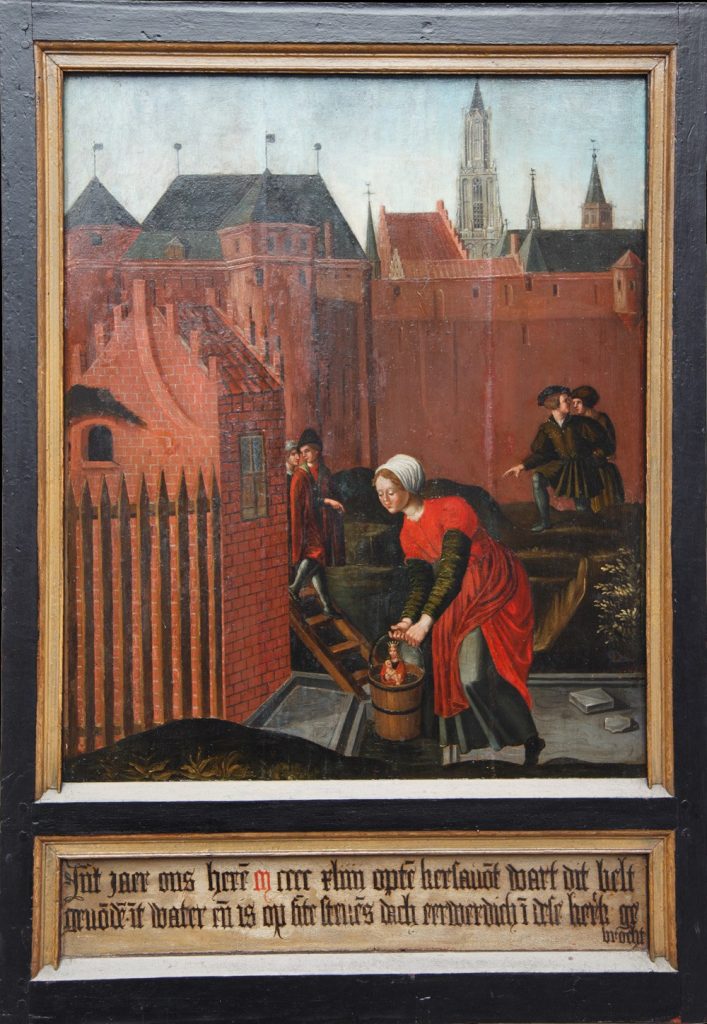 Did you hear about the medieval pilgrim from Gdańsk who visited the Netherlands? The story begins around Christmas 1444, when something remarkable occurred in Amersfoort, near Utrecht: a local girl, Margriet Gijsen, purportedly had three visions, in which God told her to go to a canal outside the city and find a statue of the Virgin Mary. Margriet did so and pulled the statue out of the icy water. This event was interpreted as a miracle, and Amersfoort quickly grew into an well-known place of worship. Pilgrims from all over Europe came to honour the statue, particularly on the Sunday before Pentecost. The miracle of Margriet and ca. 550 other miracles related to the statue are recorded in the so-called Mirakelboek, which starts in 1444 and ends in 1545. The statue was especially popular with shipmen and evoked in case of sea storms, shipwreck and drowning.
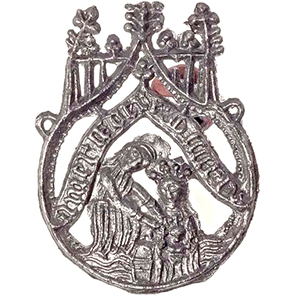 The story can be related to a pilgrim’s badge from Amersfoort, which was found in or near Gdańsk. The badge depicts the moment when Margriet pulled the statue of Mary out of the water. Such badges were made at the place of worship and could be purchased by pilgrims, who then took them back home. The badge shows the importance and popularity of Amersfoort as a medieval pilgrimage site, which really was visited by people from Gdańsk. Perhaps the man from the story took a badge home as well…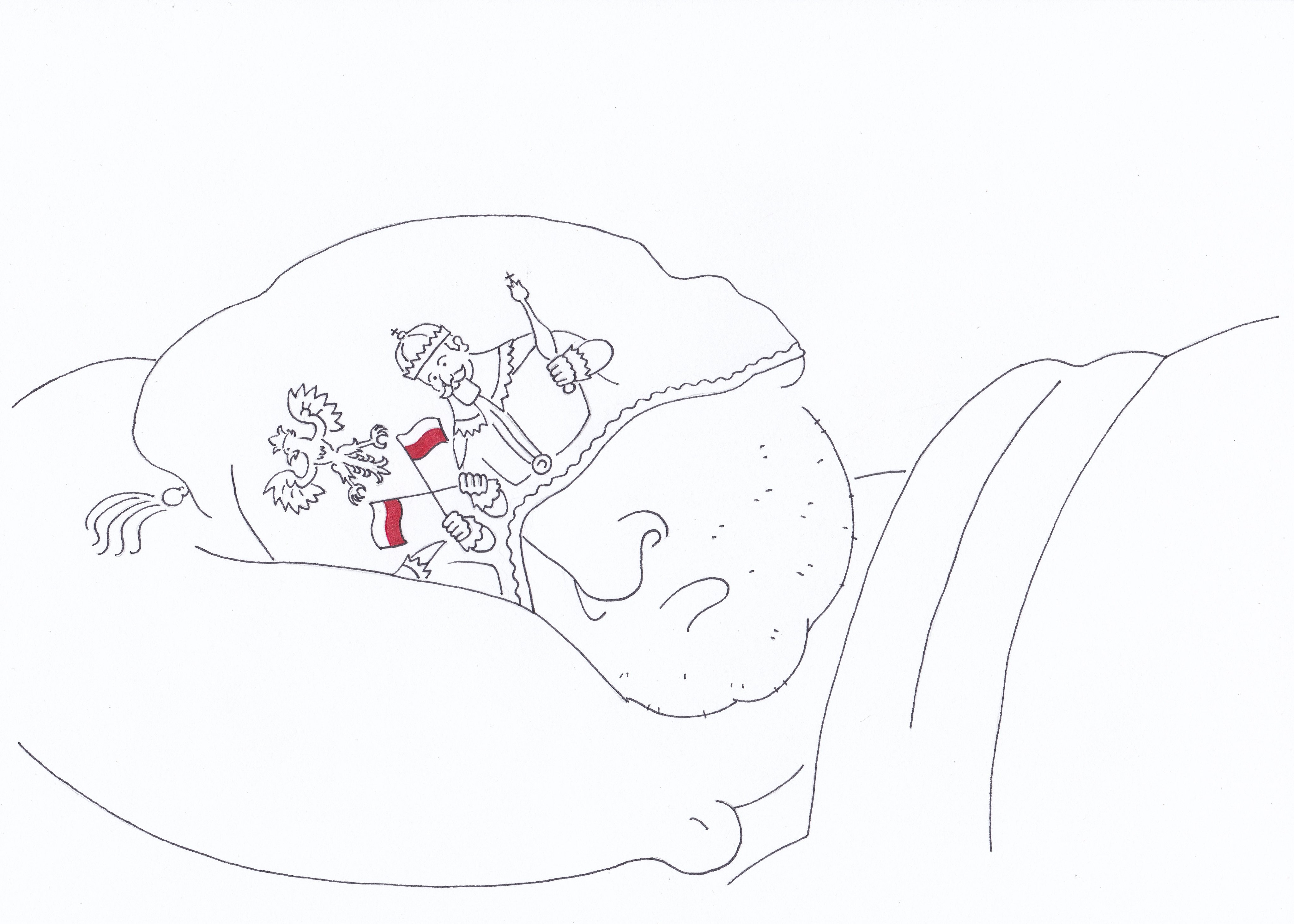
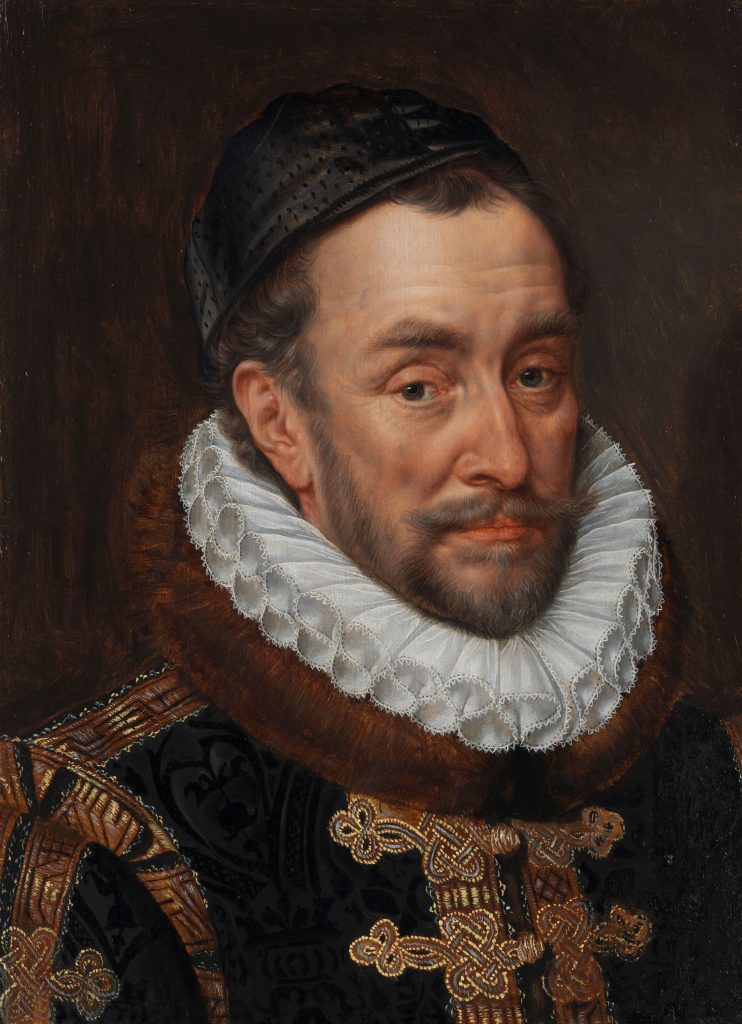 Coming Tuesday is King’s Day in the Netherlands. Did you know that William of Orange, who is often called the Dutch “father of the fatherland”, had an interest in the royal elections in Poland in 1575? He may even have considered making a bid for the Polish throne himself. At the time, William was leading the Dutch in a war against Spain. In March 1575, his councillor Philips of Marnix, Lord of Saint-Aldegonde, visited Cracow, where he met with the Polish nobleman and influential Calvinist Piotr Zborowski. The Polish throne was at that time vacant, and preparations were being made for the election of a new monarch. Zborowski wrote to William, praising his struggle “for religion and for the freedom of your fatherland”, and explaining how Marnix’s visit had been essential for “our actions”. It is not known what these “actions” were, however. Perhaps Marnix was meant to inquire about William’s chances, should he submit his candidacy for the Polish throne. As King of Poland, William’s odds in the fight against Spain would increase significantly. On the other hand, William may not have considered entering the elections at all. Perhaps Marnix simply wished to offer support to the Polish Calvinists’ “actions”, trying to influence the royal elections in the hope of gaining the favour of the future king. In any case, William did not make an official bid for Polish power. Instead, Stephen Báthory was elected King of Poland in 1576.