In 1648, around this time of the year, the Polish queen Marie-Louise de Gonzague-Nevers will have received a pleasant letter from the Northern Netherlands. None other than the famed poet and diplomat Constantijn Huygens wrote to her, offering her a personal gift: a copy of his recently published ‘Pathodia sacra et profana’, a collection of psalms and musical compositions with texts in Latin, Italian, and French. The letter itself was written in French – the queen’s native language – and Constantijn signed it in Holland on 6 January. Taking into account a delivery time of a few weeks, this means that the book must have reached Warsaw by the end of January or beginning of February.
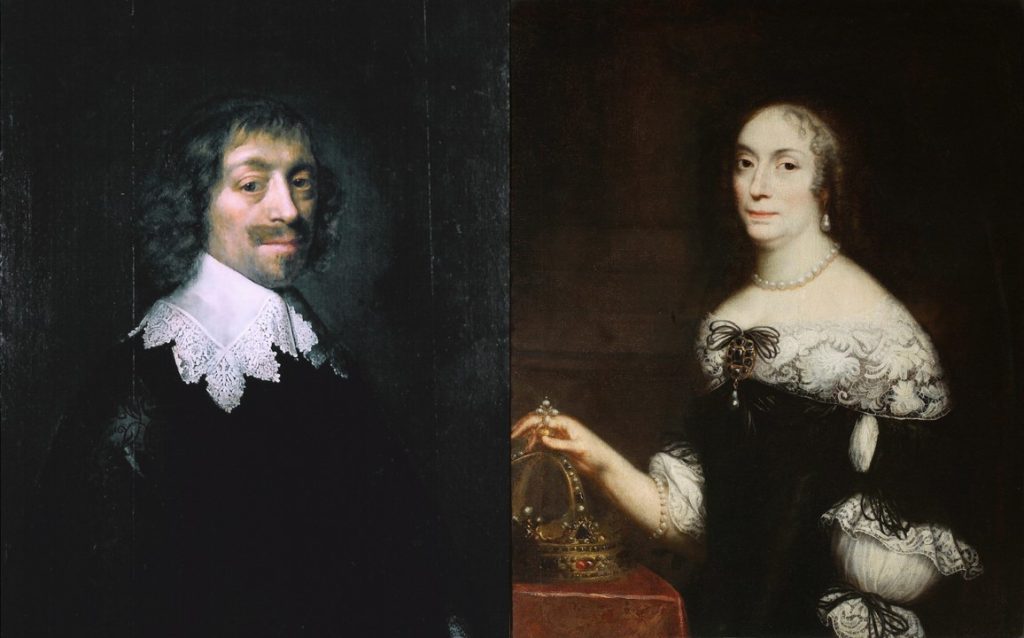
Constantijn clearly tried to impress and flatter the queen. He referred to her brief stay in the Dutch Republic in December 1645-January 1646 – an episode we discussed some time ago: “Your passage alone has perfumed the air of these provinces so much, and you have left such strong impressions of your multiple excellent qualities and universal knowledge of all that can be called beautiful, that ultimately, Madam, all those who in some way profess to love beauty, have desired to bear witness to that which art or nature has bestowed upon them in that area.” The author then humbly introduced himself as “one of those fortunate unfortunates”, since although he missed her during her presence in Holland, “the distance from here to the furthest north would not be large enough to prevent me from always seeing and admiring you, as if you had never left Amsterdam”. “The furthest north” was Constantijn’s way of referring to Poland. Whereas Poland is nowadays commonly seen as an Eastern European, or possibly a Central or East-Central European country, authors in the 17th century universally described it as a part of “the north”, just as the Dutch Republic itself.
Finally, Constantijn presented the actual subject of the letter: his book, which “throws itself at Your Majesty’s feet”. Constantijn argued that the queen might like it, since it was printed in Paris, and claimed that he was forced to send it to her, merely because others had threatened to do so without his knowledge, which would “rob him of the opportunity, for which I have waited so patiently, to tell you how much I honour the grace which I ask of you, to be regarded with all respect and submission”. With this mix of false modesty and abundant admiration, Constantijn obviously wanted to win the queen’s favour. Considering his prominent position in Dutch politics, his book and letter can be seen as diplomatic tools, used not only for the author’s personal gain, but also aimed at strengthening the bonds between the Dutch Republic and the Polish court.
Did Marie-Louise like Constantijn’s gift? Sadly, we do not know how Marie-Louise responded, but as she was an active patroness of poetry, she may have spent many hours enjoying Constantijn’s writings.
The French letter and a Dutch translation by Rudolf Rasch can be found here.
*I originally wrote this post for the social media outlets of the Dutch Embassy in Poland. This was post no. 26.
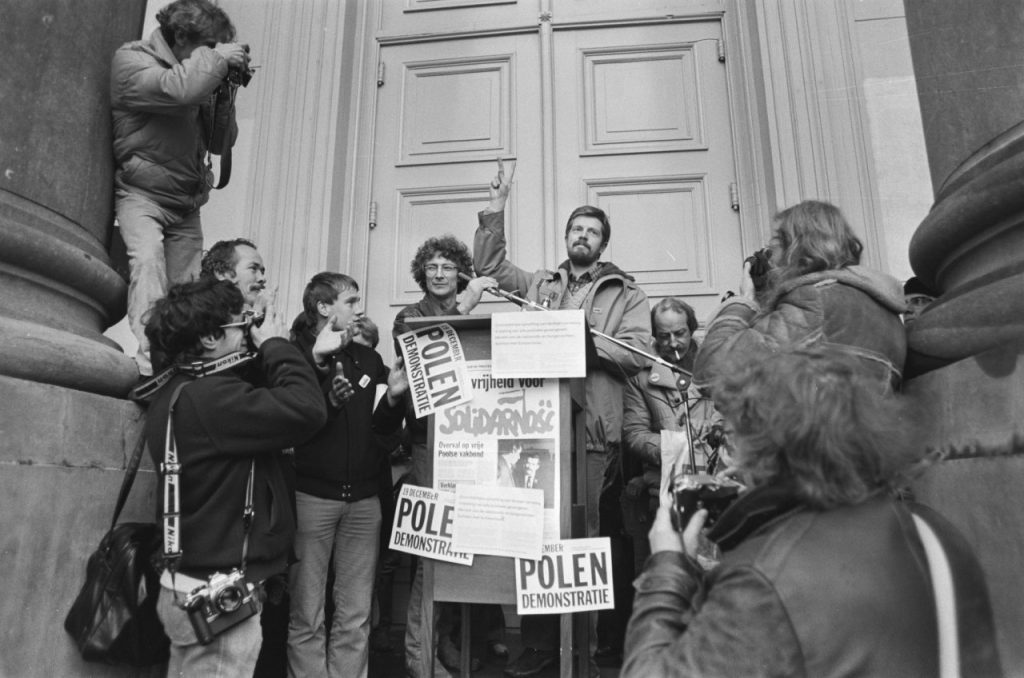
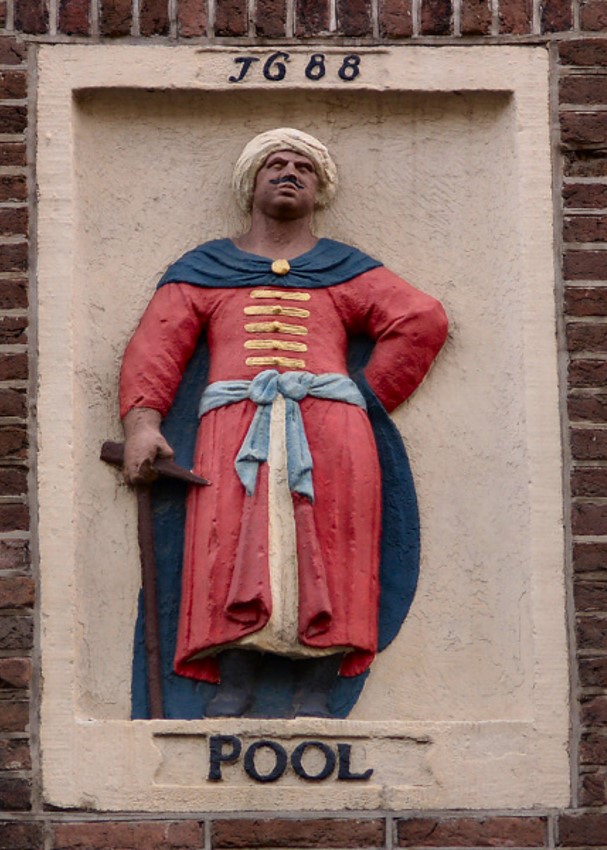 This time of year, many of us have a nativity scene in our homes. They commonly include the Three Kings, also known as Wise Men or Magi, who came to honour Christ after his birth. These Kings are often dressed in long oriental robes and turbans. What is less commonly known, is that such a look in the previous centuries was sometimes associated with Polish dress. This can be exemplified by a gable stone showing a ‘Pool’, which is dated 1688, and which adorns a building on the Kerkstraat 322 in Amsterdam.
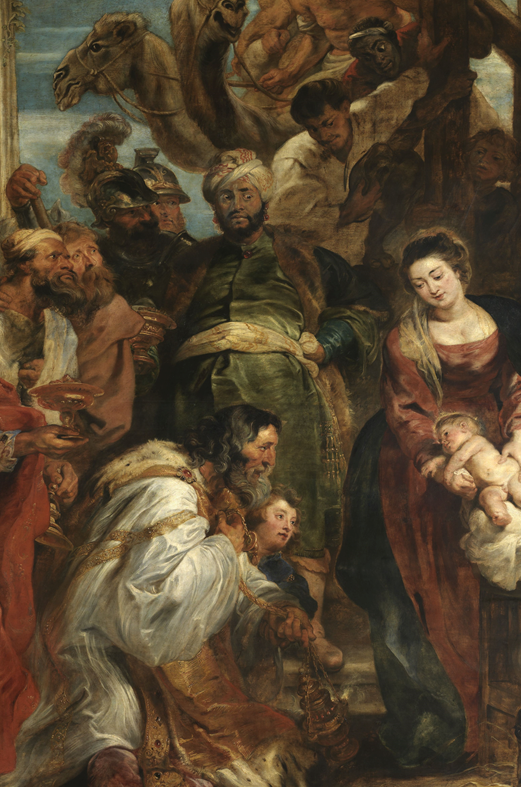 This is why the ‘Pool’ on the gable stone in Amsterdam looks the way he does. His clothing – which even includes a turban – and his posture are reminiscent of a man in a print by the Dutch engraver Lucas Vorsterman, after the Adoration of the Magi by the famed painter Peter Paul Rubens, a painting from 1621. Rubens in turn based himself on Italian illustrations. It is likely that the gable stone’s maker referred to the same pictorial tradition. This is how the ‘Pool’ on the gable stone in Amsterdam is related to nativity scenes.
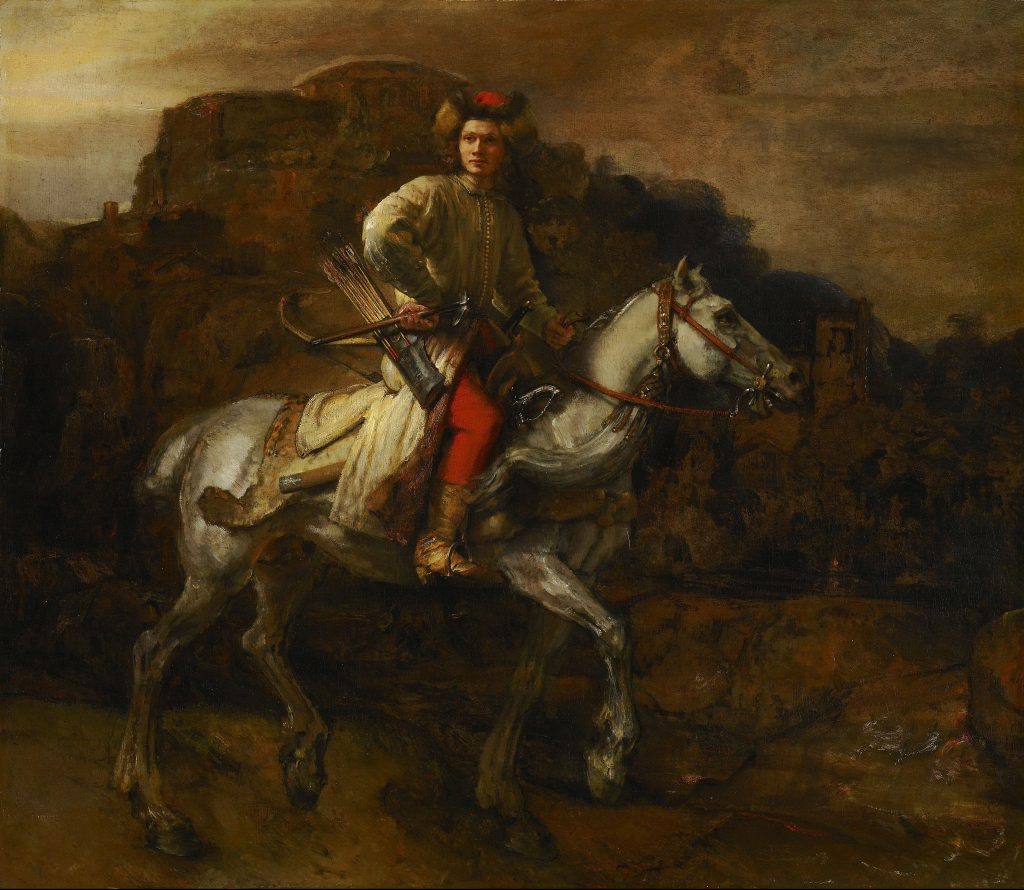
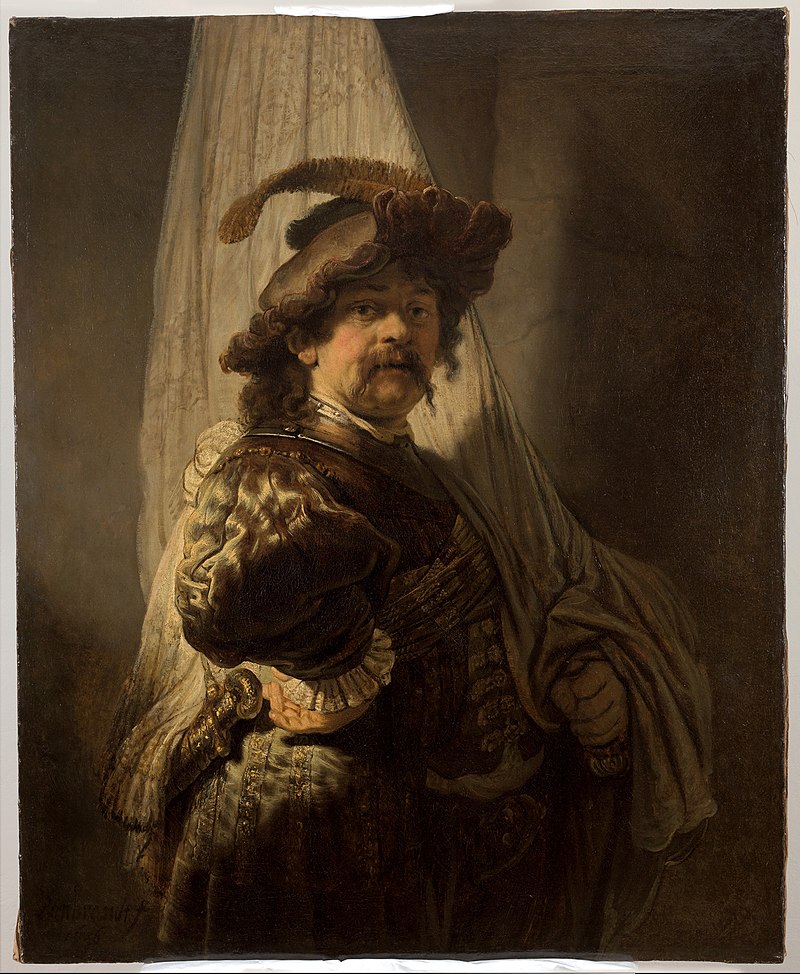 Last week, it was announced that the Rijksmuseum in Amsterdam – with financial aid from the Dutch state and several institutions – intends to buy ‘The Standard Bearer’, a painting by Rembrandt from 1636. Such standard bearers were high-placed members of town militias, not necessarily soldiers. Still, the painting offers an opportunity to reflect on a little-known aspect of Dutch-Polish historical relations: Polish soldiers in the seventeenth-century Dutch army. A travel account by the Pole Sebastian Gawarecki, written during the 1640s, discusses his stay in the Northern Netherlands alongside Marek and Jan Sobieski – the later king of Poland. On 16 May 1646, in the town of Bergen op Zoom, Gawarecki and the Sobieski brothers met “a Pole from Warsaw, who for some years now serves in the Dutch army as a standard bearer, and whom our Polish king [Władysław IV Waza] keeps in Holland at his own expense.” It is unknown who this Polish standard bearer was, but it was not unheard of for Poles to fight in the Dutch army, even if they were Catholics.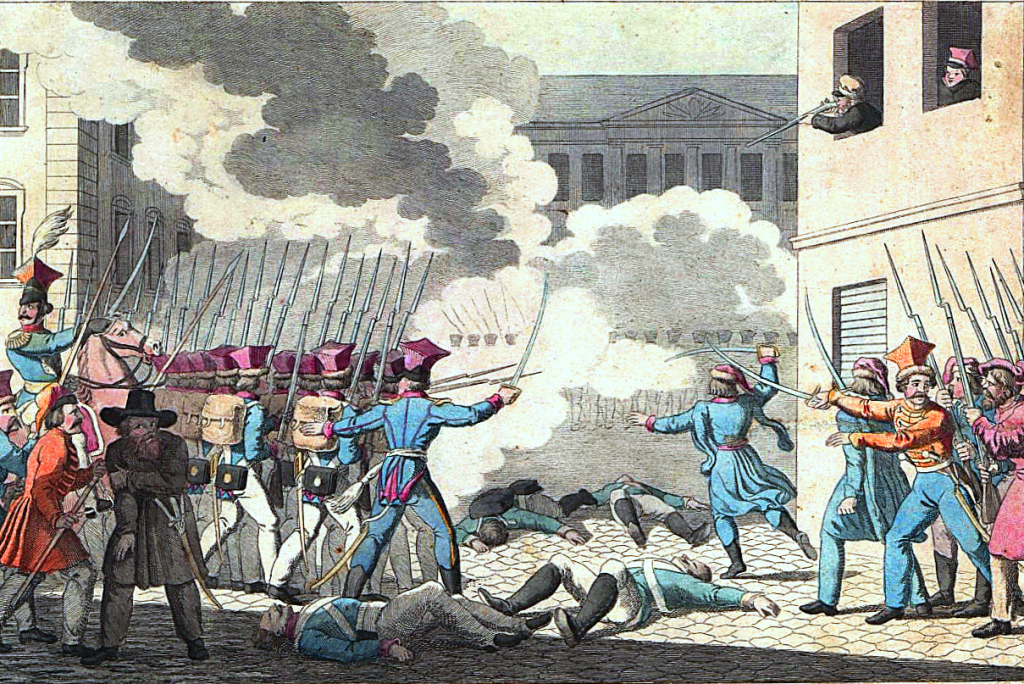
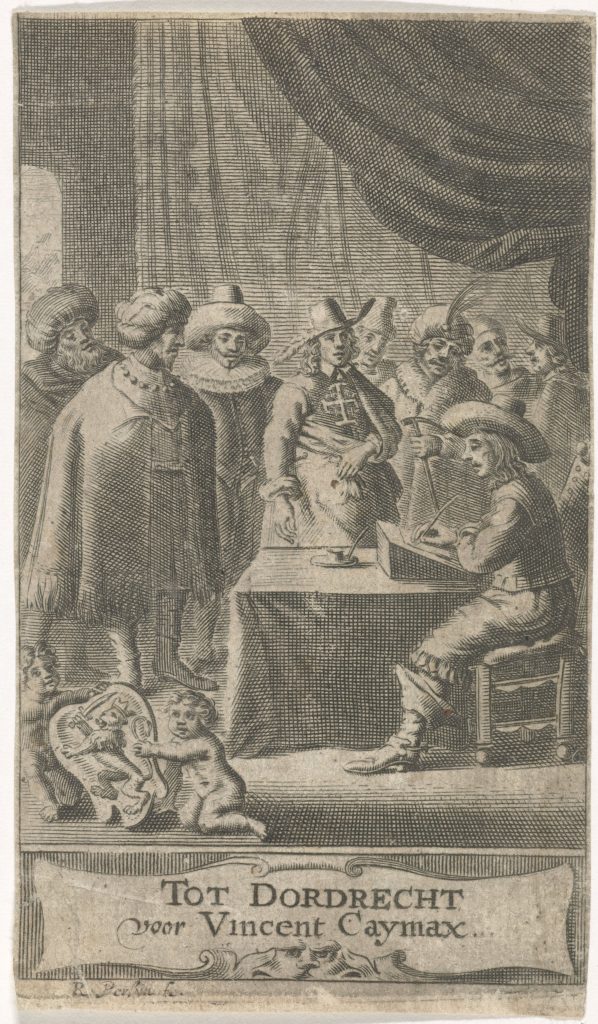 Joris’s representation of Poland is generally favourable. Describing Cracow, he professed that: “it lies along the Vistula river, which also flows past the royal castle, placed on an elevated mound. Because of the splendour of its buildings, the affluence of all manner of goods, and various kinds of scholarly disciplines, the city itself contends with the illustrious towns of Germany.” In addition, Joris enthusiastically related his visit to the nearby Wieliczka salt mines, which attracted the attention of various foreign scholars and travellers. He also visited the poet Szymon Szymonowicz (1558-1629) in Lviv, and he befriended a Polish diplomat in Constantinople, who shared his interest for classical literature. Returning home, furthermore, Joris stayed in Zamość, a city founded in 1580 by the Grand Chancellor Jan Zamoyski (1542-1605), who was a friend of Joris’s father. Zamość also included an academy for higher education. Joris elaborately praised the city as “an effigy not just to Poland, but to the whole of Europe”, and he applauded the learnedness of Zamoyski himself. His flattering words were no doubt meant to strengthen his bonds with his Polish contacts. The account is an interesting testimony to the historical ties and friendships between Dutch and Polish scholars.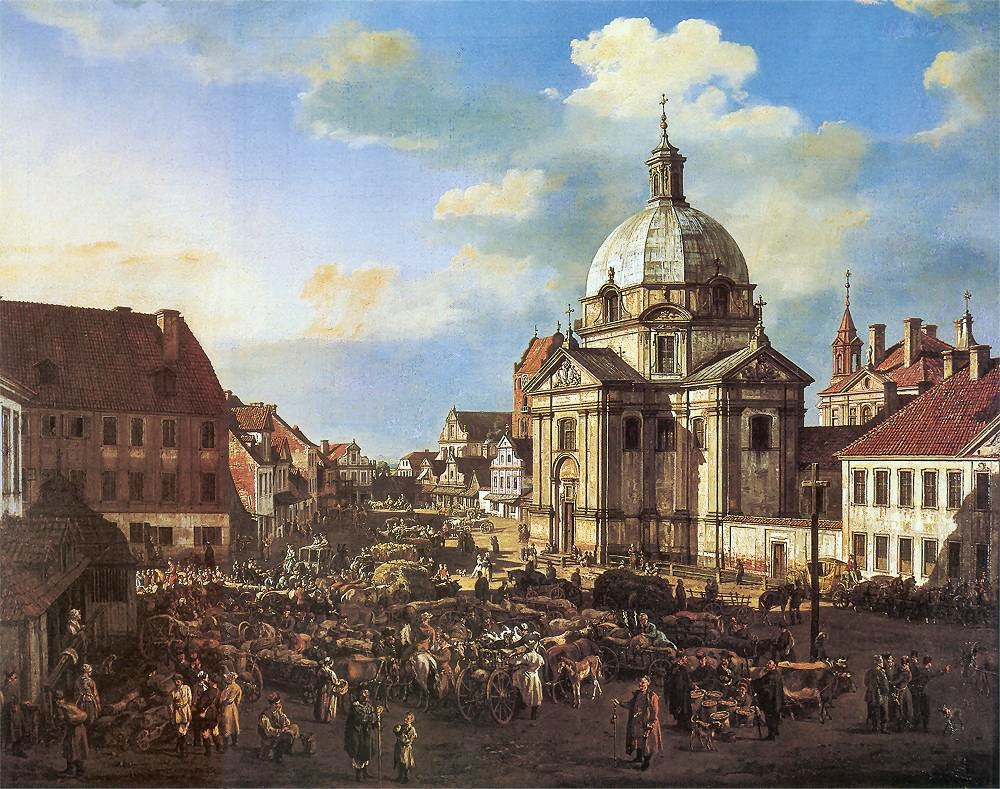
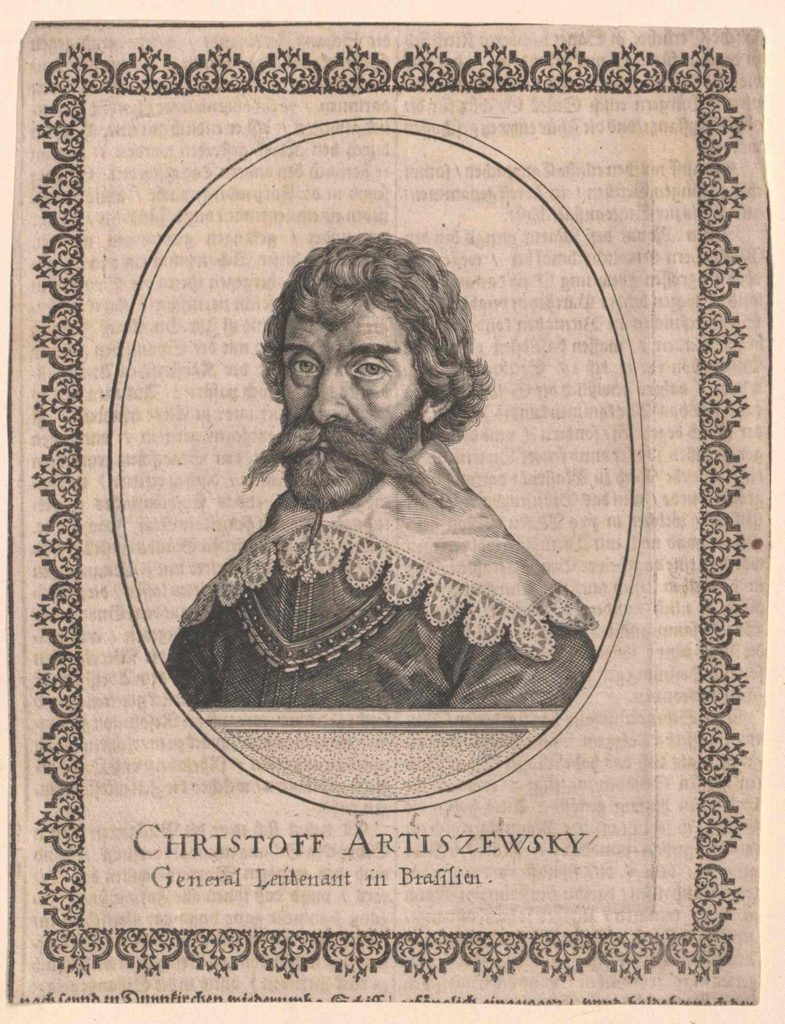 Numerous Poles live and work in the Netherlands today, and they have been doing so for hundreds of years. One of the most colourful and famous examples is the Protestant nobleman Krzysztof Arciszewski (1592-1656), an officer, engineer and author, who through became something of a celebrity in both the seventeenth-century Netherlands and Poland. Arciszewski first arrived in Holland in 1624, at the time of the Eight Years’ War, and until 1629 actively participated in a number of battles in both the Low Countries and France, always fighting on the Protestant side. For example, he partook in the Dutch attempts to end the Spanish siege of Breda in 1624-1625, and he fought in the siege of ’s-Hertogenbosch in 1629. Moreover, he studied military engineering and artillery at Leiden University. In 1629, Arciszewski was offered a three-year contract with the Dutch West-India Company and in the rank of captain left for Brazil. He celebrated multiple victories against the Portuguese, and was eventually promoted colonel. After the arrival, in 1637, of the new governor-general, Count John Maurice of Nassau-Siegen (1604-1679), Arciszewski continued to play a key role in the Brazilian campaign, but disagreements between the two men led to Arciszewski’s return to Holland in 1639. He broke with the Dutch military, but stayed in the United Provinces until 1646, at which time he was summoned back to Poland and nominated royal general of artillery. Arciszewski next participated in a number of battles against the Turks and Cossacks, before retiring in 1649. He died in 1656.